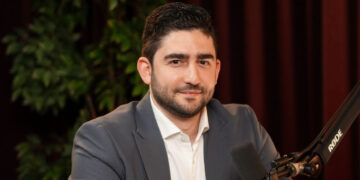



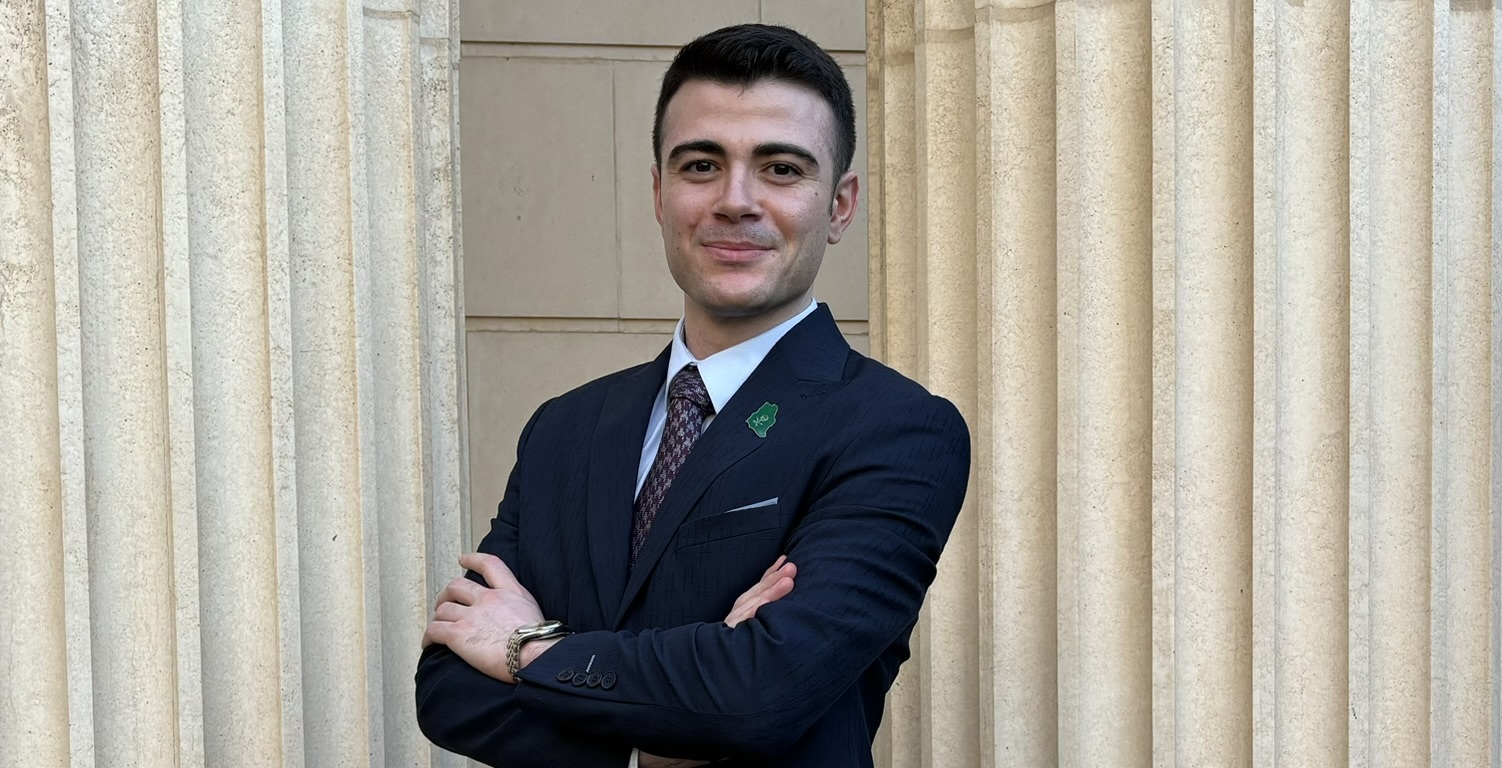
Ugur Injaz stands at the forefront of international market entry and investment strategies as the CEO and founder of Injaz Company Consulting, a strategic consultancy supporting businesses that seek to establish themselves and scale in the Middle East, especially in Saudi Arabia, the Kurdistan Region, and Iraq. With operations spanning the UK and Portugal alongside regional bases, Ugur leads a team that provides comprehensive assistance for international clients navigating new and complex markets. His unique career trajectory began in the sciences, advising biotech companies on expansion in the Middle East after earning a degree in Molecular Biology and Genetics. This analytical foundation allowed him to excel across a diverse range of sectors—biotech, construction, technology, and, notably, tourism.
Guided by the aspirations of Saudi Vision 2030, Ugur also serves as Head of Investment at Najd Hospitality, a venture aimed at revitalizing mid-segment hotels to support the Kingdom’s expanding tourism ambitions. Further cementing his commitment to economic dialogue and leadership, he established The Diwan, a prestigious executive forum in Saudi Arabia for high-level business discussions.
Below is our in-depth interview with Ugur Injaz, exploring practical insights and strategic perspectives for international companies considering the Gulf as their next major market.
From your hands-on experience in Saudi Arabia and the wider GCC, what are the first cultural and commercial rules international executives must understand before attempting to do business in the Gulf?
From my on-the-ground experience, the single most critical rule is to stop viewing ‘the Gulf’ as a single, homogenous market. The GCC nations may share a common language and broader values, but each possesses a distinct business culture, pace, and set of social norms. A strategy that works flawlessly in the UAE’s fast-paced, expatriate-driven environment may not resonate in Saudi Arabia, where relationship-building and local cultural nuance are paramount.
The first practical hurdle for many international executives is a simple lack of awareness of the local rhythm. I’ve had high-level clients from major global firms arrive in Riyadh for the first time and openly ask, ‘First, teach us how to communicate here.’ This includes fundamentals: understanding the work week, respecting the sanctity of Friday prayers, and planning around Ramadan and Eid holidays. You cannot expect a business response to a Friday morning message.
Commercially, the foundational principle is that ‘trust comes before the transaction.’ Business relationships are not purely transactional; they are built on personal rapport and demonstrated reliability. Furthermore, companies must resist the instinct to impose their global operating manuals. Success here requires a fusion. It requires respecting local legislation, partnership expectations, and decision-making hierarchies while integrating global best practices.
For any significant market entry, particularly involving FDI, partnering with a local expert who can navigate these unique commercial and regulatory landscapes is not a luxury; it’s a strategic necessity
Many companies underestimate the importance of local relationships in the Gulf. How should foreign businesses approach partnerships, trust-building, and decision-making when entering markets like Saudi Arabia or the UAE?
The key to relationship-building in the Gulf is understanding that it operates in circles of influence, and authenticity is your greatest asset. Your first point of contact will almost always be with globally-minded professionals who speak excellent English, often educated in the U.S. or the U.K. They already understand your culture; your task is not to perform for them, but to engage authentically and demonstrate a genuine willingness to learn theirs. This first circle is your essential bridge to the deeper, more locally-rooted networks that drive major decisions.
For the UAE, reaching the Emirati business community, despite the expatriate-dominated environment, is crucial for long-term credibility. For Saudi Arabia, where Arab business culture is predominant, the focus is on building deep rapport. However, caution is paramount. In the warmth of initial meetings, verbal promises can sometimes exceed practical capacity. My own early experiences taught me that a hospitable ‘majlis’ is a sign of welcome, not necessarily a commitment to a deal. Rigorous personal due diligence is non-negotiable.
Approach partnerships with a clear-eyed structure from day one. Market entry channels—whether a joint venture, distributor model, or a wholly-owned entity—must be studied before you land. Regardless of the model, clearly define roles, responsibilities, and the ‘homework’ expected from each party in writing. An immature partnership can quickly become imbalanced, where the foreign partner executes the work while the local entity reaps disproportionate rewards. In the Gulf, trust is built not on handshakes alone, but on the reliability shown through documented commitments and shared execution.
“Trust comes before the transaction. Business relationships are not purely transactional; they are built on personal rapport and demonstrated reliability. Companies must resist the instinct to impose their global operating manuals. Success here requires a fusion.”
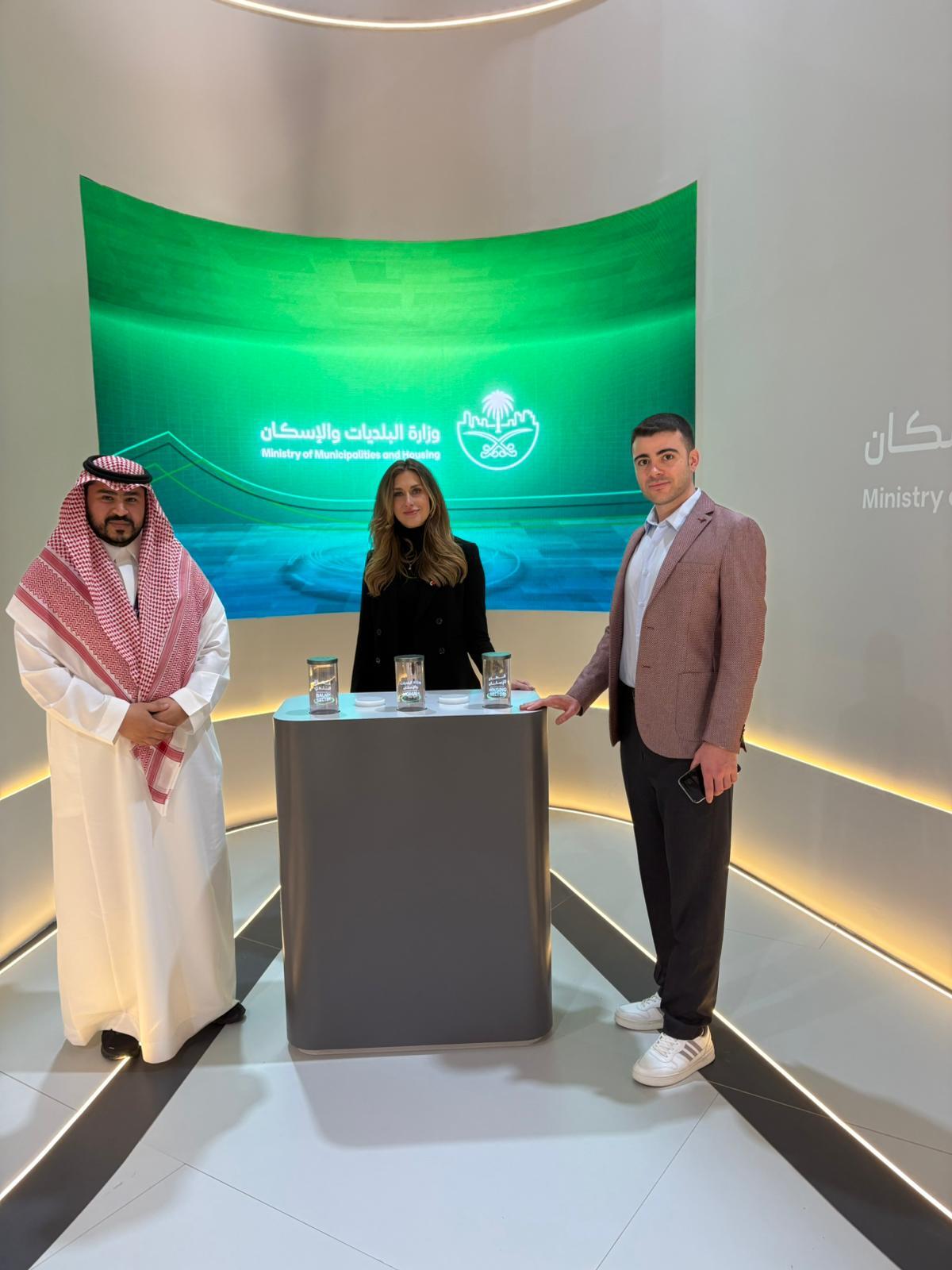 Ugur Injaz with Adrianna Jankowska – Espeo Software’s Business Development Executive, and Yazeed Abusabir – Senior Manager at the National Housing Company, following a strategic meeting at the Ministry of Municipalities and Housing in Riyadh.
What are the most common strategic mistakes you see Western or Latin companies make when trying to scale in the Gulf, and how can they realistically avoid costly setbacks?
The most pervasive mistake is the ‘easy money’ mirage. It is the belief that the Gulf is a place to quickly extract millions and exit. This transactional mindset is fundamentally at odds with the region’s long-term vision, especially in a nation like Saudi Arabia. The clear expectation from both government and the private sector is for international companies to commit: to bring knowledge, train local talent, invest seriously, and build a lasting presence.
The reward follows that commitment; it does not precede it.Several costly execution errors stem from this flawed premise. One is the ‘passive partner’ approach, where a company offloads the majority of the work and risk onto its local partner. Your local partner is a guide and a facilitator, but you, as the owner of the business and the brand, must be actively engaged in execution.Another is what I call ‘toxic networking’—chasing prestige over purpose.
I’ve seen companies pay substantial sums to access high-level events with no clearer goal than taking a photo with an influential figure. That same investment, directed towards a targeted marketing campaign or a pilot project, would generate infinitely more value. Networking must be purposeful and integrated into a clear strategy.
Finally, scaling requires a long-term operational blueprint. If your company is not strategically preparing for the influx of 150 million visitors expected for events like Expo 2030, you are not just missing an opportunity; you are ceding the market to competitors who have planned ahead. Avoiding setbacks requires replacing the ‘get-rich-quick’ fantasy with a strategy of patient investment, active partnership, and a five-year operational plan that aligns with the region’s ambitious future.
How does doing business in the Gulf differ from Europe or North America in terms of negotiation styles, timelines, and expectations—and how should executives adapt their leadership mindset accordingly?
Executives must fundamentally recalibrate their sense of time and relationship. The first rule is patience—forget the rigid quarterly calendars of the West. Business rhythms here are shaped by religious and cultural events like Ramadan and the two Eids, during which official negotiations naturally slow down. This is not inefficiency; it’s a different temporal reality.
The negotiation style itself is less transactional and more exploratory. A meeting about one business offer can organically lead to discussions about three other potential ventures, as your counterpart’s interests are often diverse. The concept of a ‘final deal’ is also more fluid. You might secure a crucial verbal agreement over a dinner, which holds significant weight, while the formal signing may take months as the relationship matures. Forcing premature closure can backfire spectacularly.
Communication requires reading between the lines. A direct ‘no’ is rare. Phrases like ‘we’ll see’ or ‘inshallah’ (God willing) often signal polite hesitation, not agreement. Decision-making is highly centralized; identifying and respectfully engaging the single senior authority is more important than convincing the entire room.
To adapt, leaders must shift from a purely contractual mindset to a relational one. Invest substantial time upfront in non-transactional relationship-building. Understand that trust is personal and reputational, and that the person who introduces you carries immense weight. Embrace the fluidity of meetings, respect hierarchy, and recognize that hospitality is not a distraction from business—it is an integral part of the process. Plan for long lead times in your strategy, but be prepared to mobilize instantly once the green light is given by the right person.
“If your company is not strategically preparing for the influx of 150 million visitors expected for events like Expo 2030, you are not just missing an opportunity; you are ceding the market to competitors who have planned ahead.”
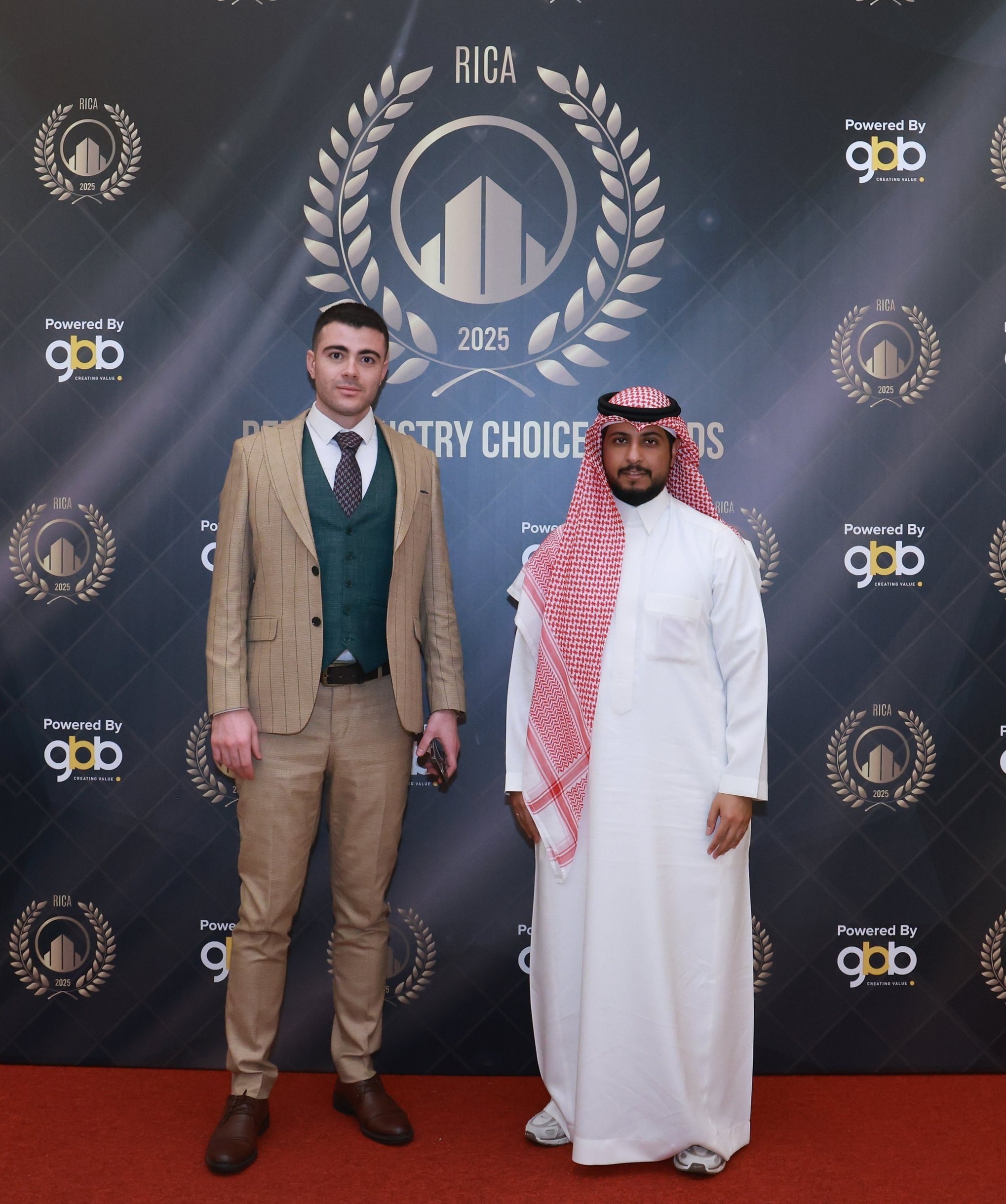 Ugur Injaz, Head of Investment at Najid Hospitality, with his Saudi business partner, Abdulrahman Alhjlah at the Real Estate Development Summit in Jeddah.
Looking ahead, which sectors and business models are best positioned to succeed in the Gulf over the next five years, and what type of companies should seriously consider this region as a priority market?
The Gulf is undergoing a historic transformation, and the next five years will be defined by its massive pivot to non-oil growth. Success will belong to companies that align with core national diversification strategies like Saudi Vision 2030. Based on our hands-on work facilitating market entry, we see six key sectors as primary engines of this growth, each with clear real-world demand.*
1. Technology, AI & Digital Economy: Qatar, UAE, and Saudi Arabia are investing billions to become global tech hubs. Companies specializing in AI, smart city infrastructure, enterprise digital transformation, and blockchain will find a receptive market with significant government-backed pipelines. The market demands best-in-class solutions, not just good ones. This is precisely why we support only the companies we believe are the exact fit for the market. For example, we are now bringing Espeo Software, one of Europe’s 2 Hyperledger-certified fintech firms, to Saudi Arabia. They already have activities in Qatar and the UAE. The company has realised the demand of the Saudi banking sector, and they are investing in the Saudi market to provide the banking sector with the robust digital infrastructure it now requires.
2. Renewable Energy & Green Economy: The shift from hydrocarbons to renewables, green hydrogen, and ESG-focused projects is a national priority. This creates immense opportunities in clean-tech, sustainable engineering, and related supply chains.
3. Healthcare, Biotech & Wellness: There is a massive, strategic push to build domestic capacity. This goes beyond hospitals to include biotech R&D, pharmaceutical manufacturing, medical devices, and telemedicine platforms, attracting serious interest from Asia, Europe, and the US.
4. Infrastructure, Urbanization & Smart Cities: The sheer scale of giga-projects and urban expansion demands innovation in construction tech, logistics, IoT, and sustainable building solutions. This sector offers long-term, stable contracts, often through public-private partnerships
5. Tourism, Hospitality & Creative Economy: Across the GCC, tourism is a central pillar of economic diversification, with each nation cultivating a unique offering—from Dubai’s global hub to Oman’s cultural and natural appeal. However, the scale of ambition in Saudi Arabia is transformative, aiming to attract 150 million visitors by 2030.
This creates an urgent, specific demand beyond luxury accommodations for quality mid-segment hotels to serve business travelers and the growing budget-conscious tourist segment. This is the focus of ours through Najid Hospitality, where we are actively acquiring and transforming underperforming assets to meet this precise market gap. Beyond hospitality, immense parallel opportunities exist in supporting sectors like tourism tech, destination management, and cultural content creation to serve this new wave of travel.
6. Financial Services & Capital Markets: Hubs like the DIFC and KAFD are maturing rapidly. Success here requires not just innovation but deep regulatory understanding, as demonstrated by our strategic advisory for firms navigating authorizations with bodies like SAMA.
In conclusion, the profile of a company poised for success in the Gulf is unmistakable. It is not a transactional player, but a long-term partner. It does not offer commodity services, but world-class expertise and a commitment to knowledge transfer.
Ultimately, the winners in this new Gulf economy will mirror our most successful clients. They are those who understand that market entry is a strategic fusion, not an imposition. They build genuine, respectful local partnerships, secure the right on-the-ground guidance, and demonstrate the operational agility to scale within a fast-evolving, vision-driven ecosystem. They come not just to do business, but to become part of the region’s future.
In summary, Ugur Injaz’s insights provide a roadmap for international contenders ready to make a lasting impact in the Gulf’s rapidly shifting business landscape. His experience and commitment to both partnership and innovation illustrate the value of a strategic, patient, and genuinely engaged approach to market entry and expansion.
Editorial Staff 2026