


Panama City Hosts 12th World Free Zones Organisation World Congress, Spotlighting the Future of Special Economic Zones
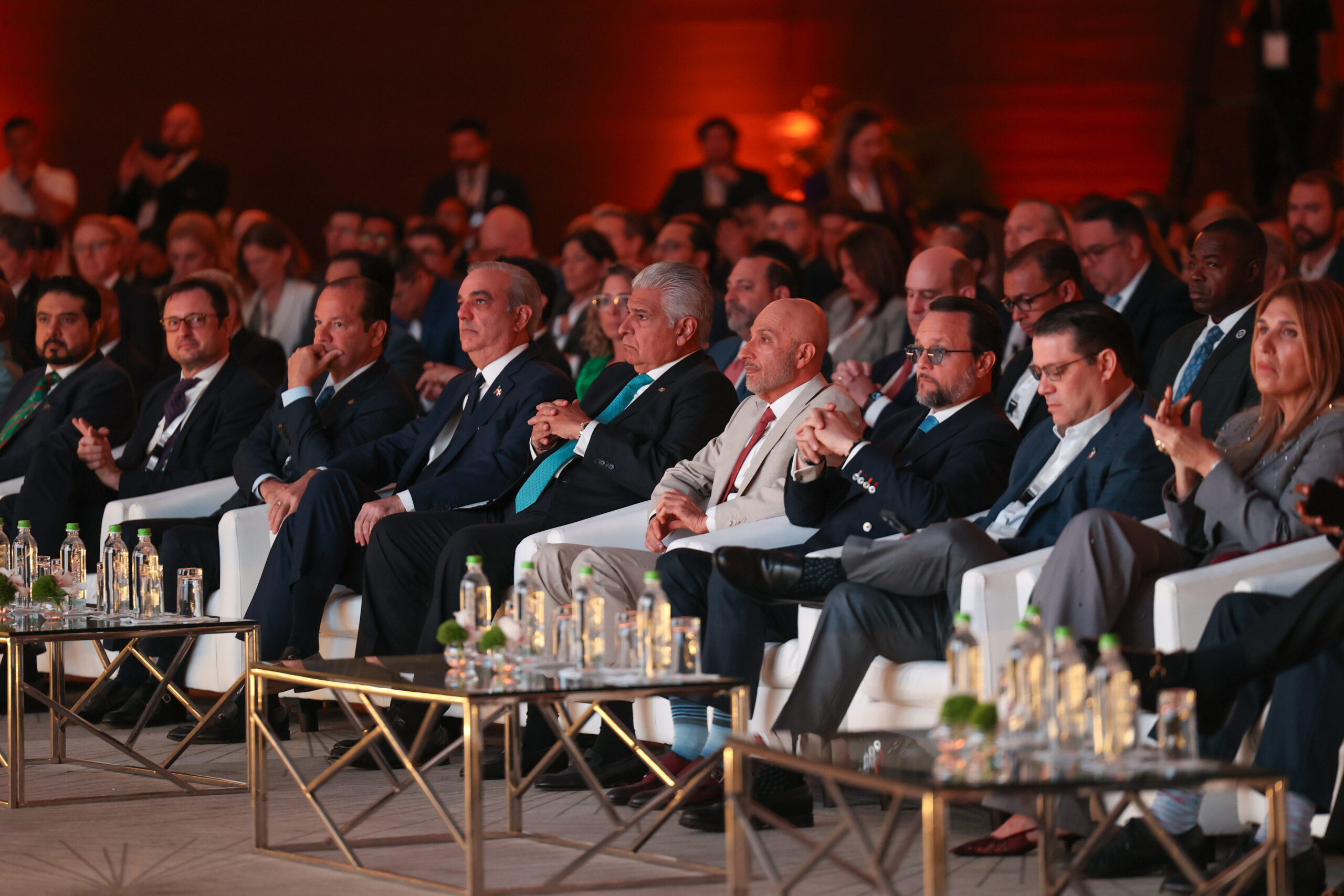
The 12th annual World Free Zones Organisation (World FZO) World Congress convened in Panama City under the theme “Free Zones in the New Global Operational Model: Challenges and Opportunities.” The event brought together more than 2,000 participants and 27 ministers from over 70 countries, highlighting the central role of economic zones in driving economic diversification, industrial development, and cross-border integration.
The Congress was officially inaugurated by José Raúl Mulino, President of Panama, in the presence of Luis Abinader, President of the Dominican Republic, and Dr. Mohammed Al Zarooni, Chairman of the World FZO. Attendees included top business leaders, CEOs of economic zones, international organization representatives, and senior government officials.
In his keynote address, José Raúl Mulino expressed enthusiasm for welcoming leaders and free zone representatives worldwide to Panama. He emphasized his conviction that free zones enhance economic freedom, stimulate global trade, and drive national progress, affirming, “investment remains the true engine of development, wealth creation, and stronger purchasing power.”
Dr. Mohammed Al Zarooni underscored Panama’s significance as a strategic gateway to the Americas, stating, “Inspired by the vision of Dubai, from which it was launched, the World FZO continues to lead the global dialogue on the future of free and economic zones amid the rapid transformations shaping the global economy.” He added that current trade flows are rapidly evolving in a complex world shaped by economic and geopolitical dynamics, making free zones more crucial than ever for helping businesses adapt, reach new markets, and grow despite volatility.
Dr. Al Zarooni highlighted several major trends, including the rise of generative artificial intelligence in advancing customs operations, forecasting logistics, automating compliance, and enhancing investor experience. Sustainability was also in focus, as free zones are increasingly positioned to attract green industries, support sustainable production, and foster environmentally responsible business growth.
“Governments no longer view free zones merely as regulatory tools, but increasingly as strategic assets,” Dr. Al Zarooni noted. He stressed the importance of stronger partnerships, broader dialogue, and greater flexibility to ensure that policies evolve alongside business needs, calling on both the public and private sectors to work together toward a prosperous future for free zones globally.
A significant milestone during the event was the signing of a Memorandum of Understanding (MoU) for the creation of the Caribbean Special Economic Zones Regional Association. The new association is designed to promote regional cooperation, support knowledge exchange, and serve as a unified voice for the Caribbean in global discussions on special economic zones, trade, investment, and economic development.
The Congress also unveiled notable digital initiatives. The World FZO announced an expanded suite of services via its ‘One Zone’ digital platform, featuring a new website and member portal. The platform integrates certification systems, training, research, advisory services, and benchmarking within a secure online environment, aiming to strengthen global connectivity and support sustainable economic growth.
In partnership with INCAE Business School, the World FZO introduced an Executive Leadership Programme tailored for C-level executives, which drew around 700 participants internationally. For the first time, participants received digital certificates from INCAE, marking a new standard of accredited executive education for the Congress.
The Congress further marked the launch of a joint white paper by the World FZO and the United Nations Tourism Organisation on Tourism Special Economic Zones. The paper, assembled through survey findings, interviews, and case studies, is considered the most comprehensive study of its kind and provides a foundation for shaping new tourism investment strategies. The findings underscore the growing synergy between tourism and economic zone models, as countries increasingly integrate tourism into their development agendas.
As the Congress concluded, leaders and experts reaffirmed the transformative power of free zones as engines of innovation, investment attraction, and sustainable, long-term growth, emphasizing the need for continued collaboration and strategic partnerships in the evolving global economy.
Team V.4-EM-UAE